We went for a nice, leisurely Sunday Drive today, April 28, starting out from Vík. From there, the Ring Road passes through a region known as the Mýrdalssandur, a volcanic outwash plain formed by eruptions from the nearby Katla volcano.
The Ring Road was completed in 1974, but this section was rebuilt in 1987. At that time, the Mýrdalssandur was completely devoid of vegetation and known for its sandstorms.
We can attest to the fact that sandstorms still occur here.
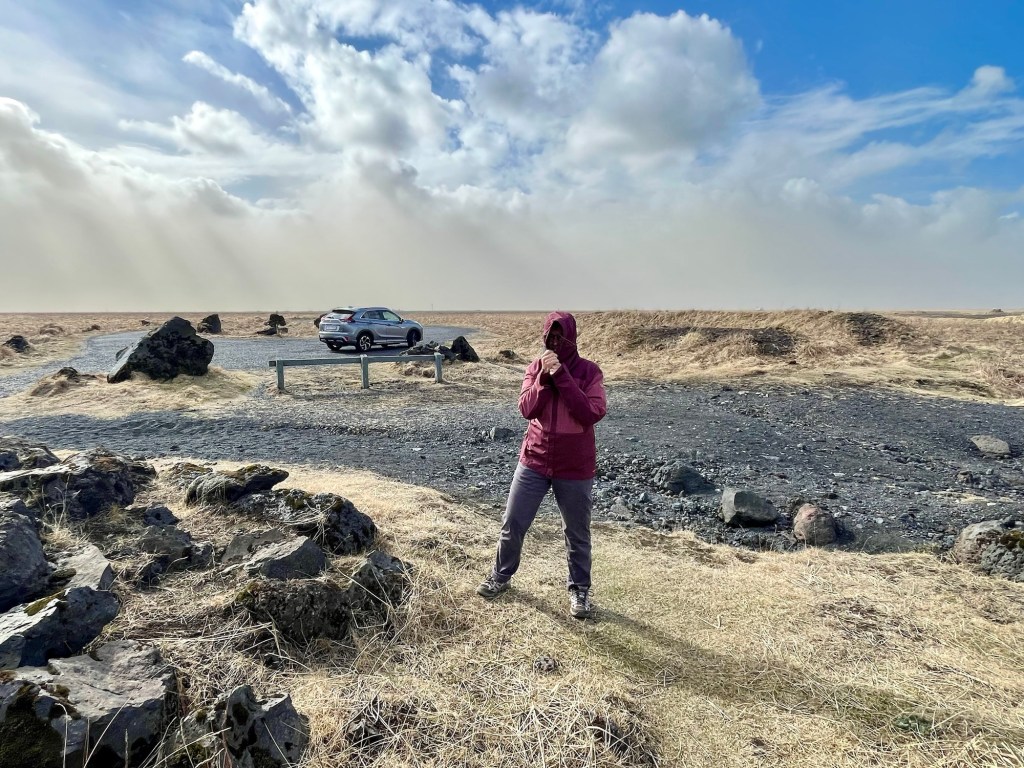
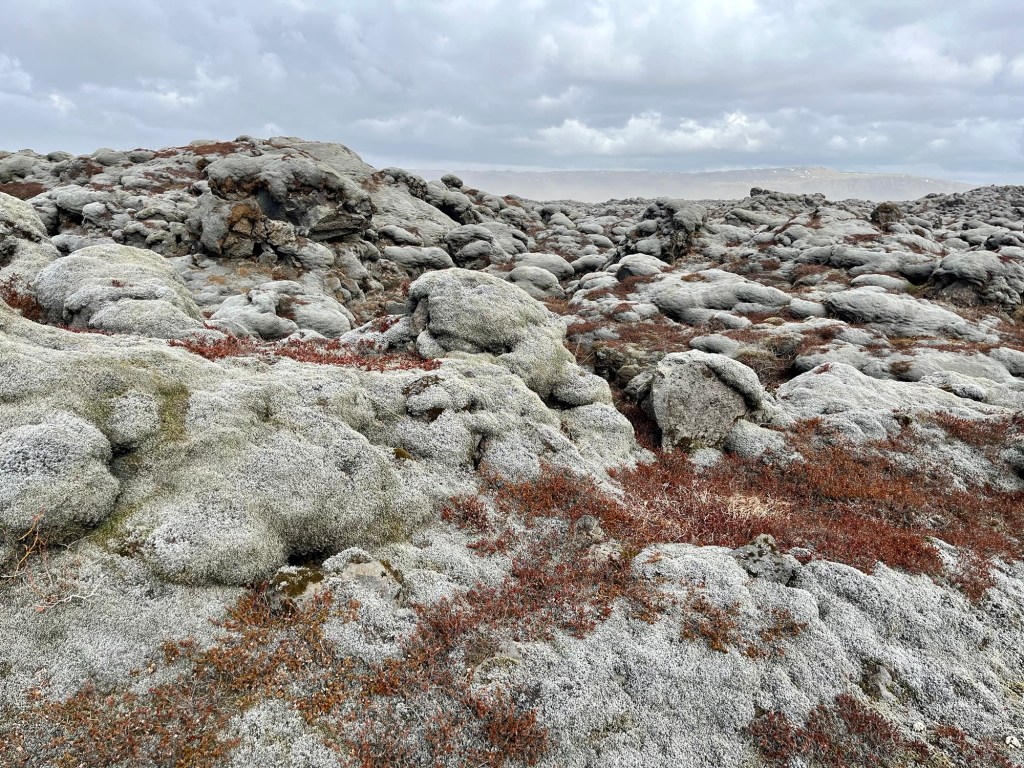
The government has been attempting to reestablish vegetation along the 22 mile section passing through the Mýrdalssandur. It’s some of the weirdest looking stuff I’ve ever seen growing in the wild.

According to a placard along the road, the plants they have been using are Lyme Grass, Bering Hairgrass, Red Fescue and Nootka Lupine. I’m not sure which one this is. You guess.
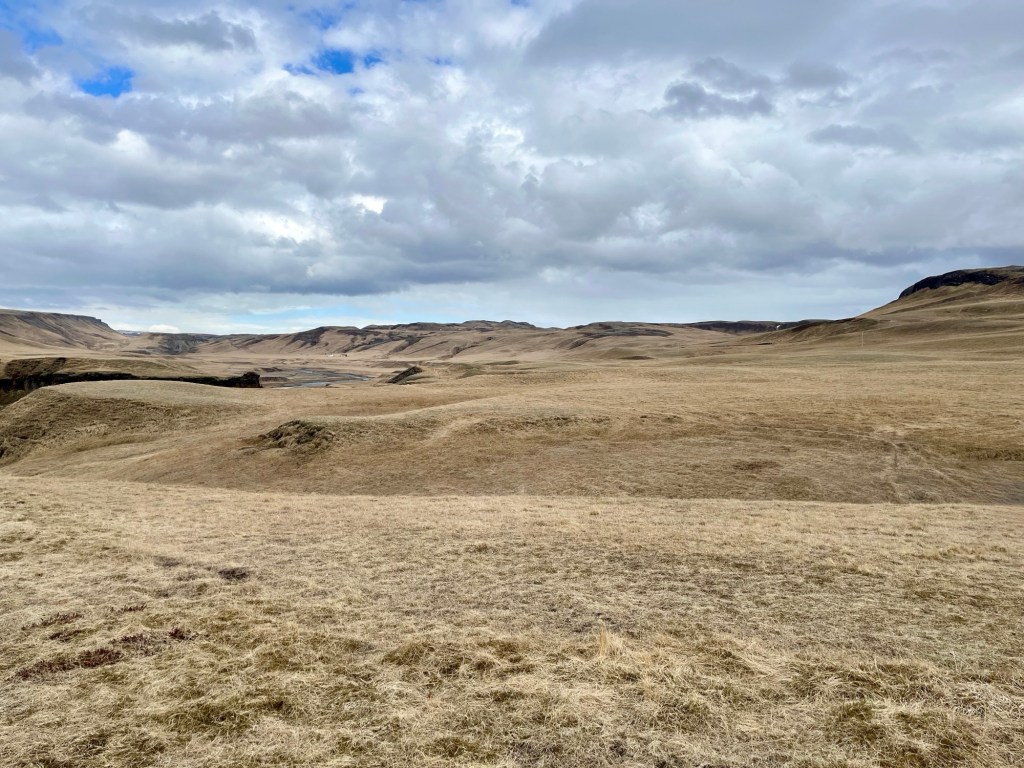
We eventually got to an area that was more normal looking, reminding me of the terrain in the Dakotas.
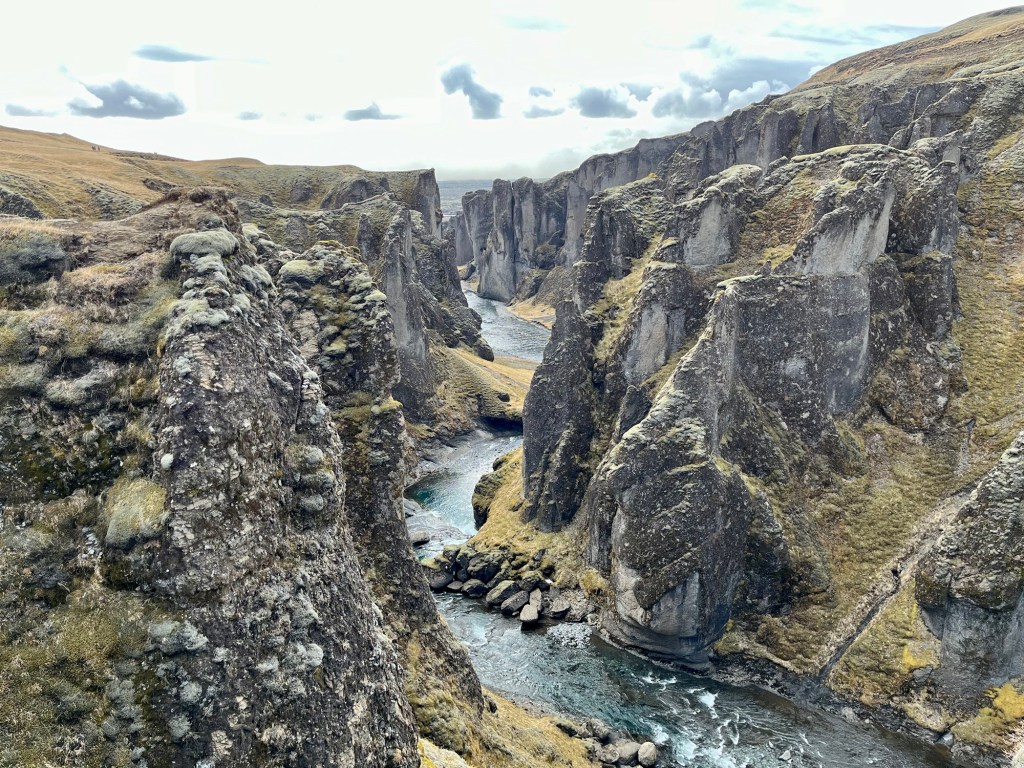
We stopped along the way for a hike up through the Fjaðrárgljúfur, also known as Fja-mumble-mumble-fur or, according to Wikipedia, the “Feather River Canyon.”
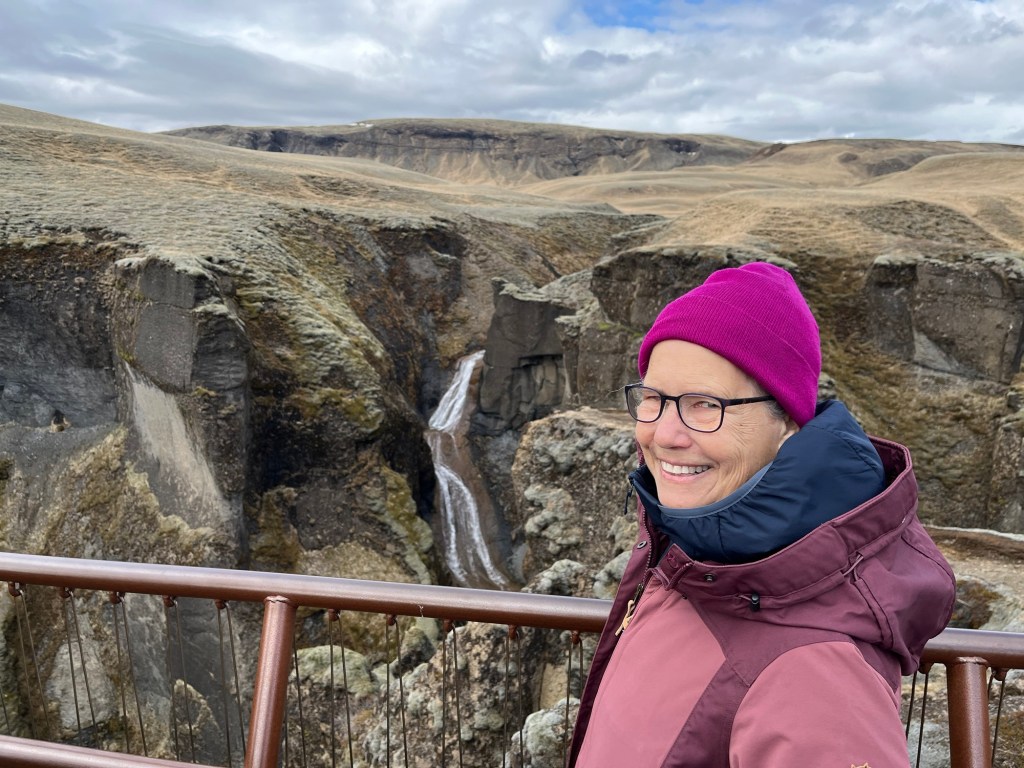
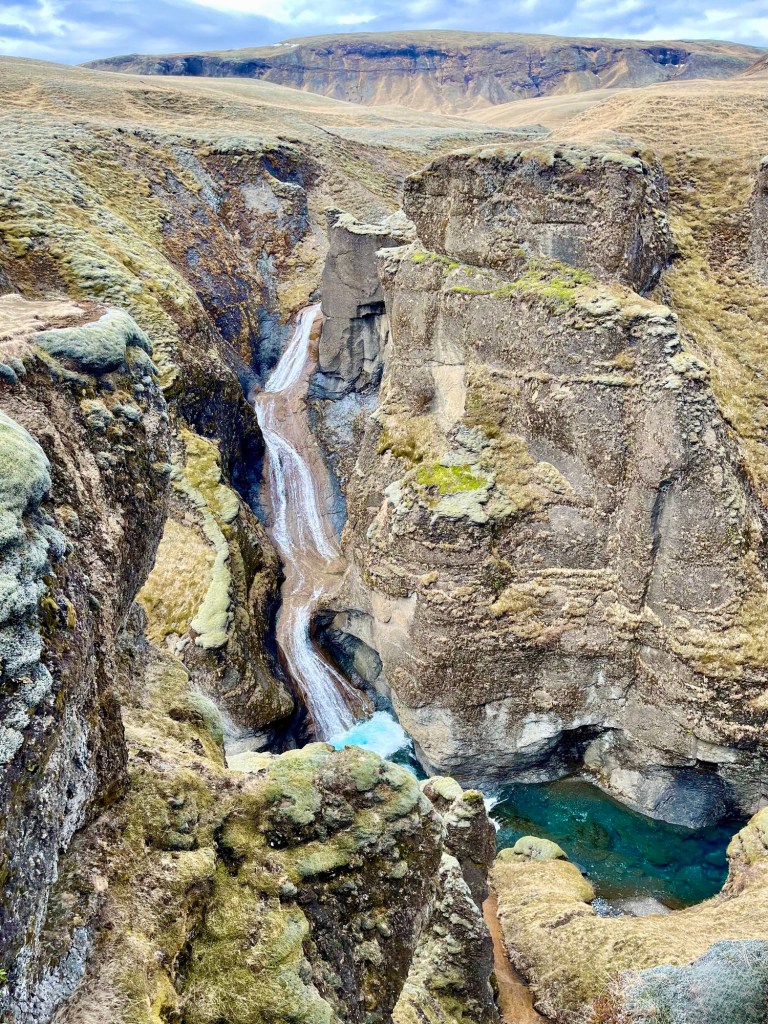
The trail going up the canyon continues for a little over a mile. This is what awaits those that make it to the end:
But the views looking back downriver toward the ocean are much more spectacular.
Just a little further along the road, we passed through the village of Kirkjubæjarklaustur. Go ahead. Try to pronounce that one.
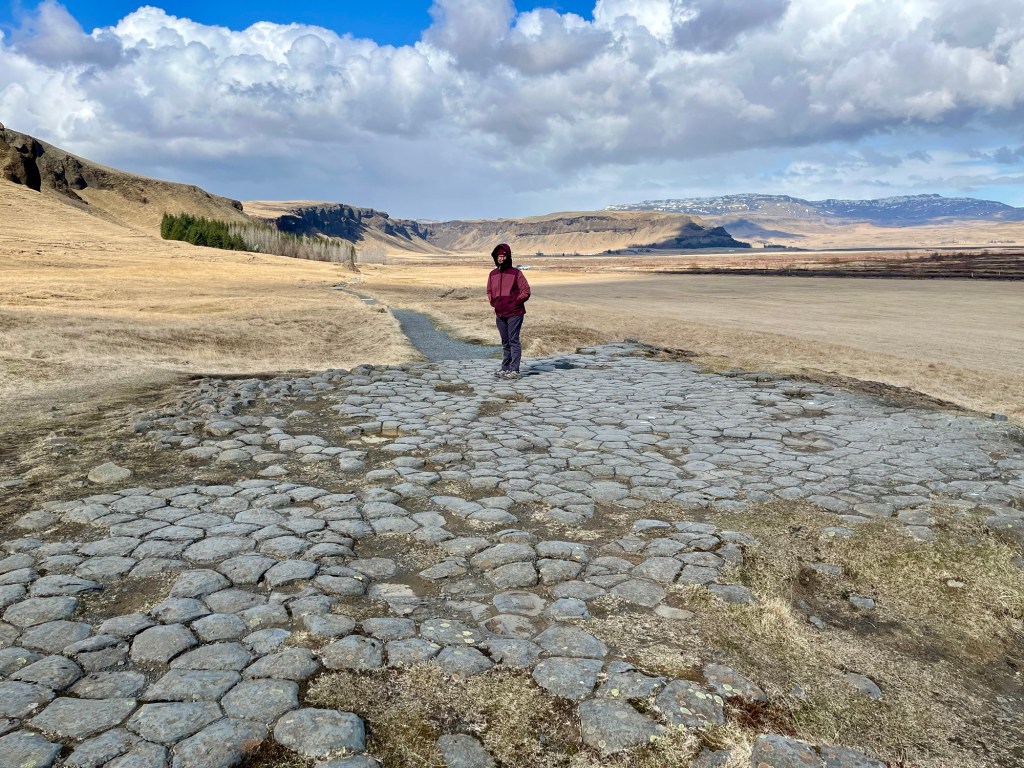
The main attraction here is the Kirkjugólf, also known as the “Church Floor.” These rocks are the tops of buried basalt columns in their natural state, the pattern looking like floor tiles.
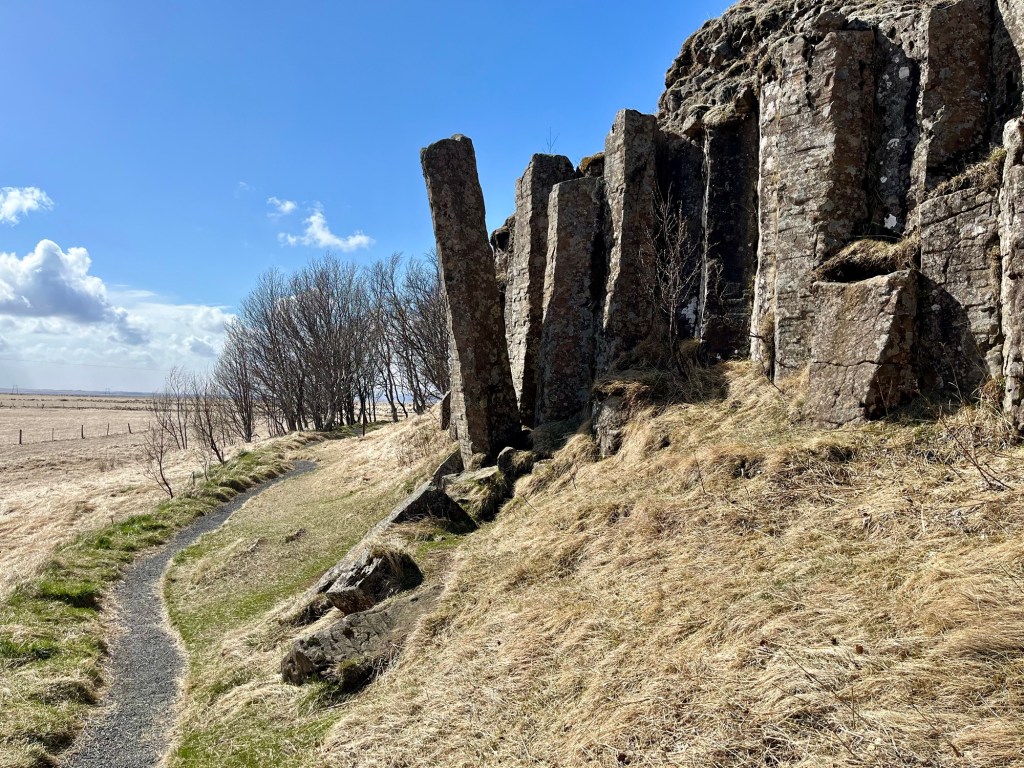
Back in the car and a little further down the road, we stopped at the Dverghamrar, a/k/a, the “Dwarf Rocks,” another basalt column formation.
Here’s a single column, separating from the rest. It looked like it could topple over at any minute, but I suspect it’s looked like this for decades, if not centuries.
We finished our Sunday Drive at our lodging for the next two nights, Fosshotel Glacier Lagoon, situated at the bottom of the Vatnajökull glacier and the National Park named for it.
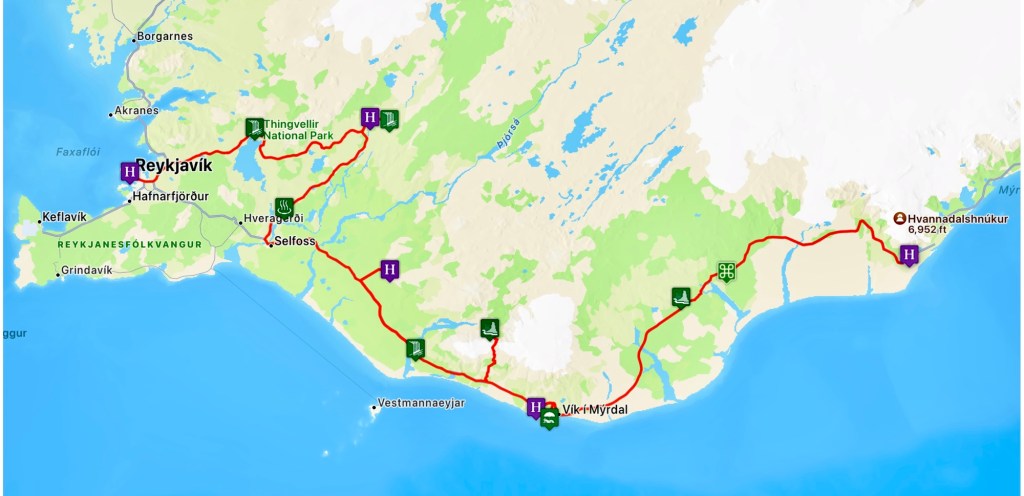
We’ll have two full days of exploring the glacier, part of the largest icecap in all of Iceland.
 The Road Less Traveled